The destination
The Lençóis Maranhenses
Natural heritage
A desert that fills with water
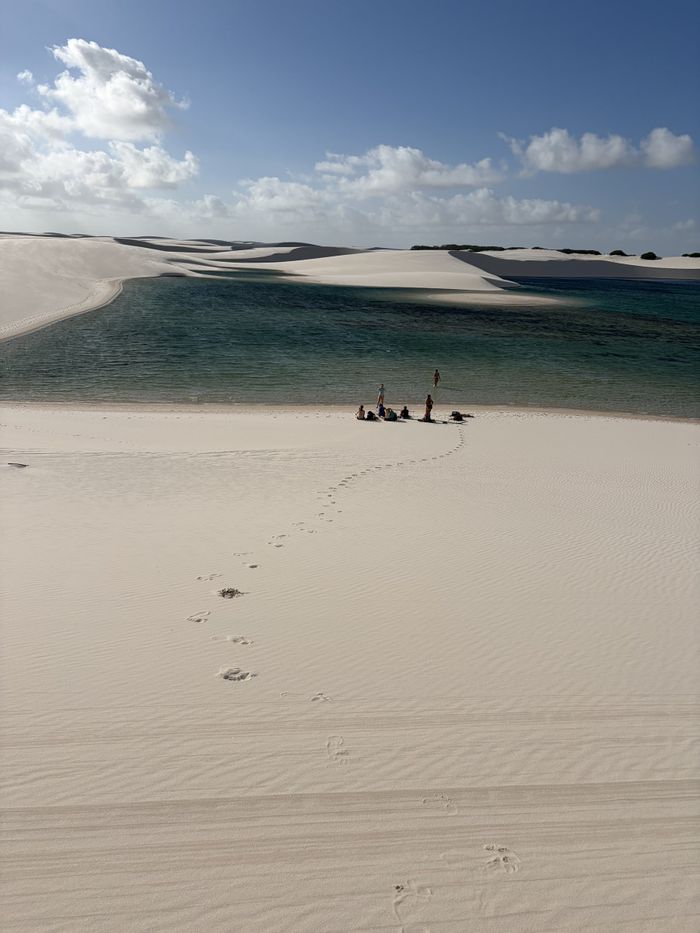
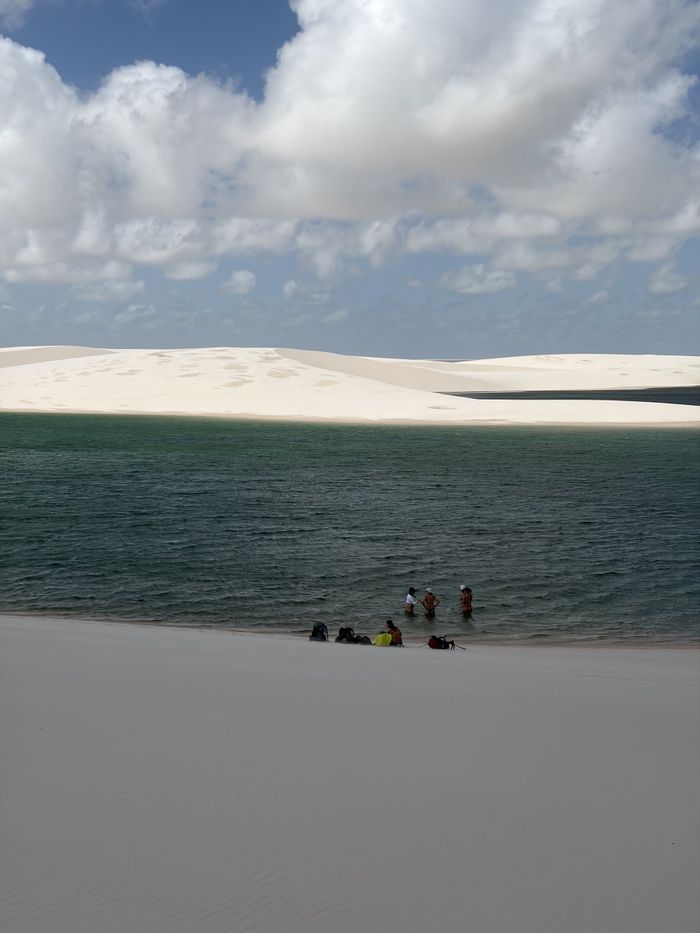
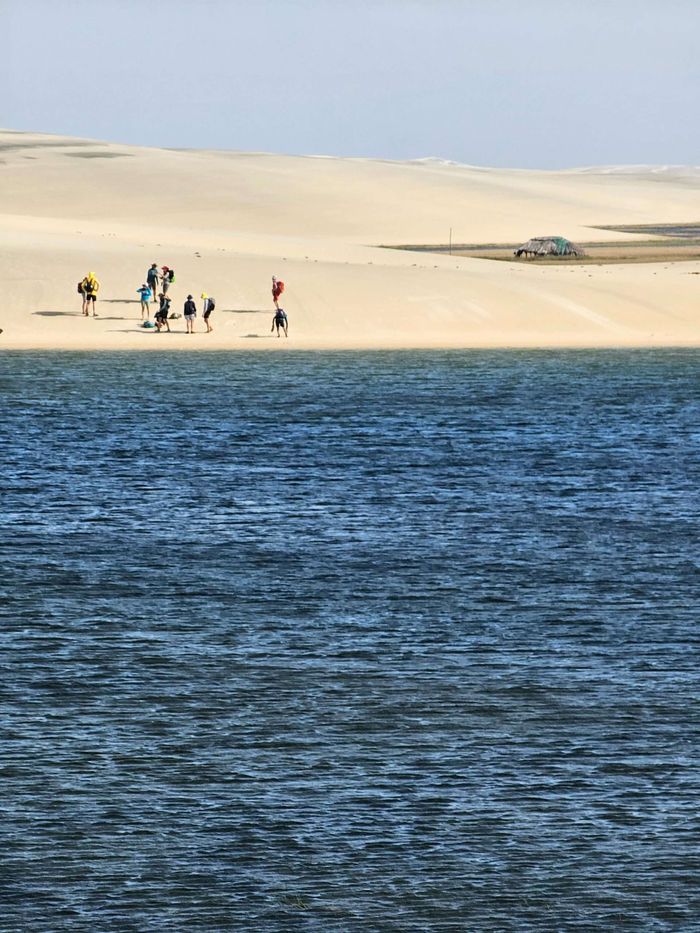
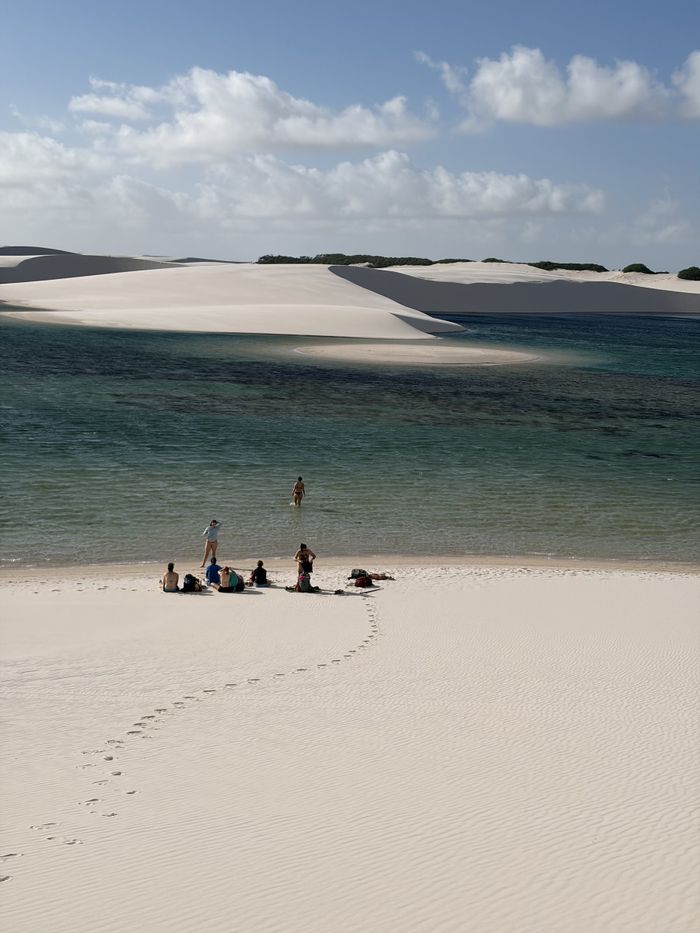
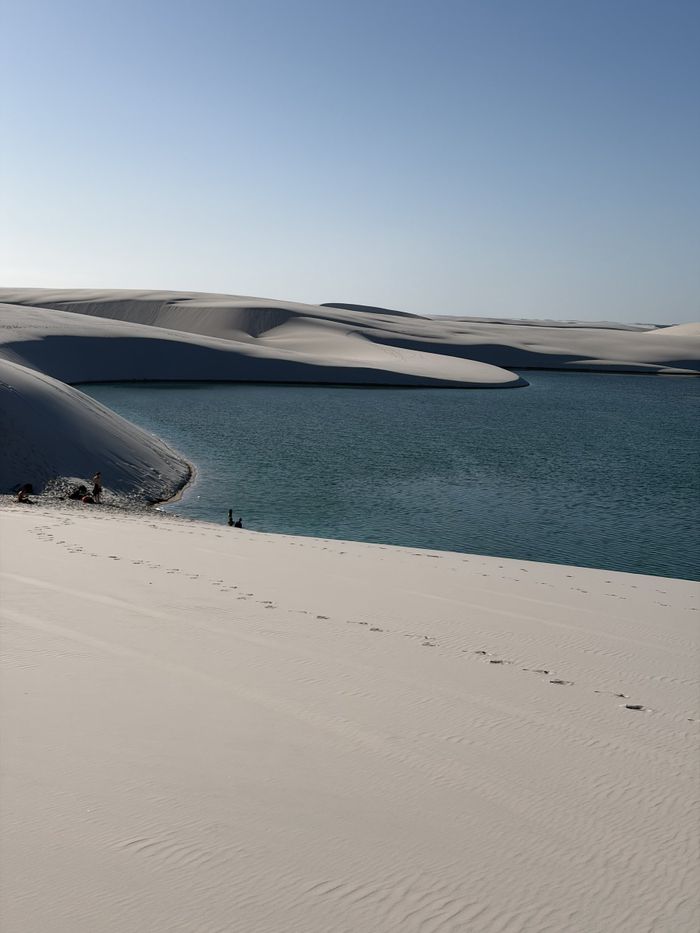
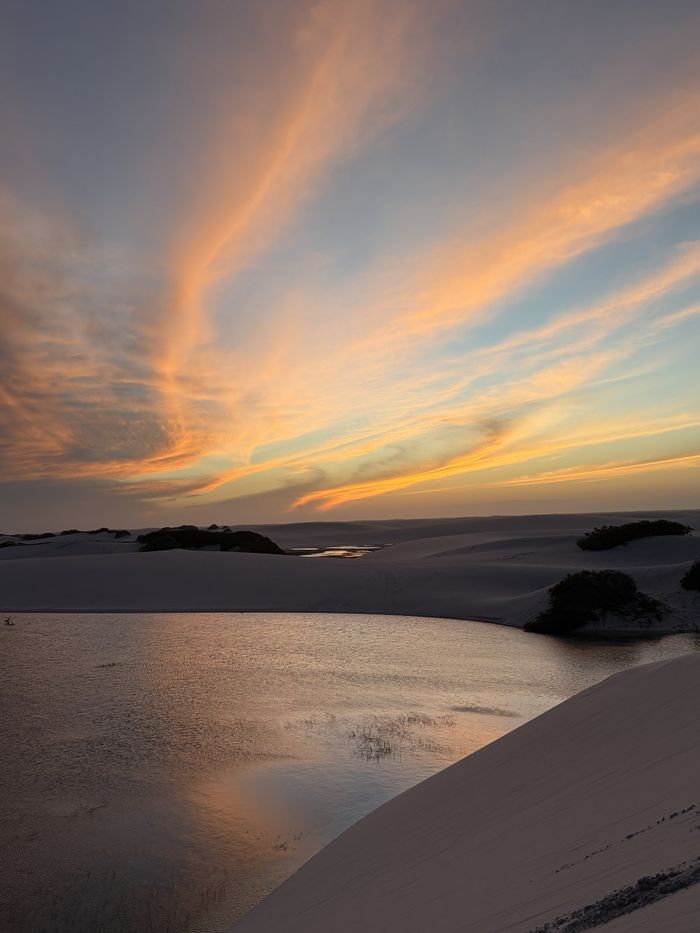
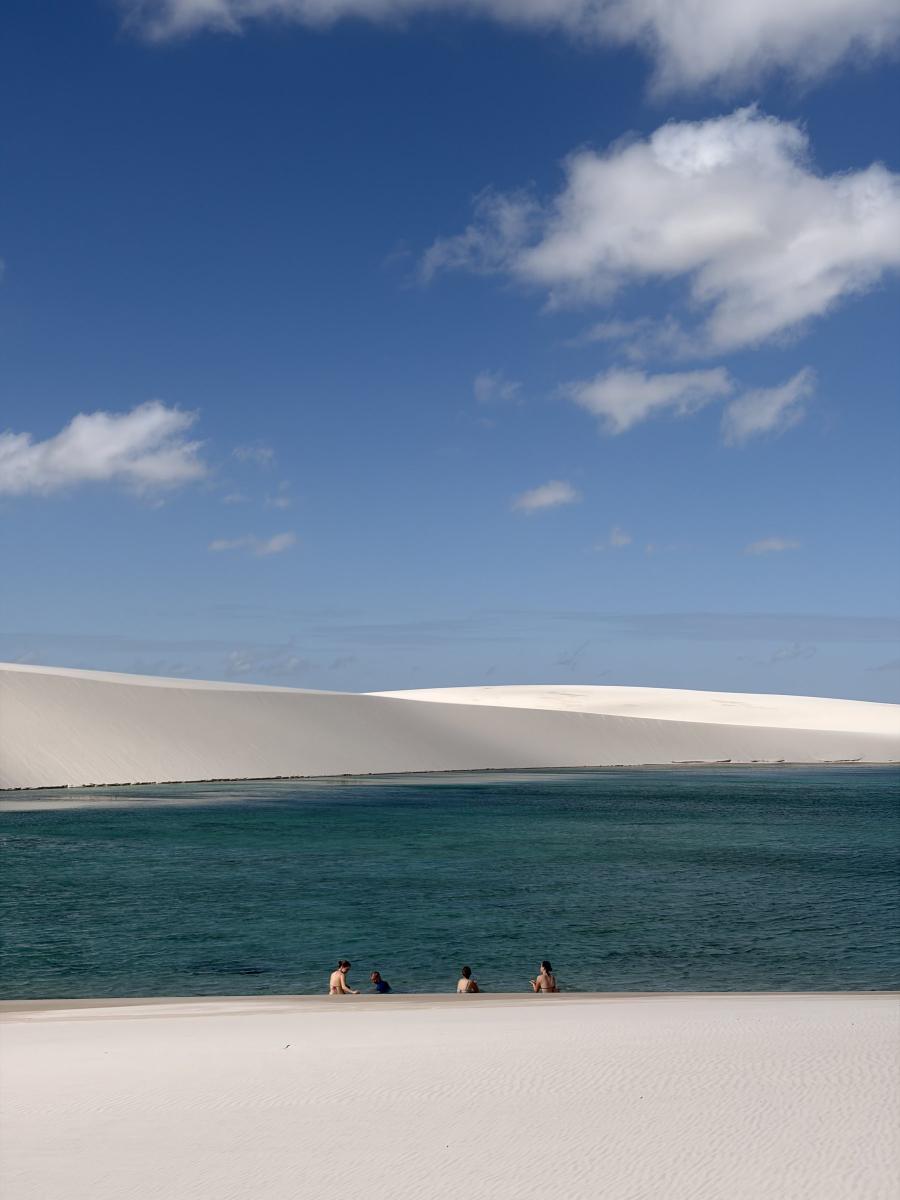
White dunes that seem to stretch endlessly, dotted with freshwater lagoons that appear every year. This unique landscape makes the Lençóis Maranhenses one of Brazil's most breathtaking natural environments.
Formed over thousands of years, the dune field results from a continuous process of sediment transport and deposition. The sand, made mostly of quartz, is carried by rivers to the coast and, driven by the wind, gradually transported inland, giving rise to the vast dune field we see today.
Created in 1981, the Lençóis Maranhenses National Park protects roughly 155,000 hectares of one of the largest dune fields in Latin America. Its area spans the municipalities of Barreirinhas, Santo Amaro, and Primeira Cruz, each with its own landscapes, communities, and ways of experiencing the Lençóis.
The park in numbers
How the landscape works
Far from a traditional desert
The landscape, however, is far from a traditional desert.
It rains where you'd expect drought
Located in a transition zone between different biomes and under strong influence from the Amazon climate, the region receives significant rainfall, mainly between January and June.
The water settles between the dunes
Rainwater collects between the dunes, feeding the water table and forming hundreds of temporary lagoons.
And the next year it starts again
This is exactly the cycle that brings the Lençóis to life: the rain fills the lagoons, the dry season transforms the landscape, and the following year, the cycle begins again.
That's why the water is crystal clear
The lagoons are freshwater and, sitting on predominantly sandy soil, tend to have clear, crystalline waters.
Recognition
World Natural Heritage
In 2024, the Lençóis Maranhenses were recognized by UNESCO as a World Natural Heritage Site, due to their outstanding universal value. This recognition highlights the importance of preserving its landscape, biodiversity, and natural processes.
More than a scenery of dunes and lagoons, the Lençóis Maranhenses is a living territory, constantly changing. A landscape shaped by rain, by wind, and by time.